Starting in 2026, the Carbon Border Adjustment Mechanism (CBAM) will take effect across the European Union. This regulation puts a price on the CO₂ emissions embedded in goods imported from outside the EU — but the impact goes far beyond just importers.
👉 This matters to European manufacturers too.
To stay competitive, EU-based companies must prove that their processes are efficient and low-emission. Otherwise, they risk losing visibility with international clients or even falling behind in their domestic markets.
In the industrial brazing sector, companies still relying on flame brazing are at a disadvantage:
-
🔥 They rely on fossil gases
-
🌫️ They produce direct CO₂ emissions
-
❌ Their process is harder to trace and certify
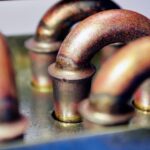
By contrast, induction brazing offers key advantages:
✅ Powered by electricity
✅ Lower energy consumption
✅ No direct CO₂ emissions
✅ Ready for a low-carbon economy
📊 Induction brazing is not just more efficient — it’s a strategic shift for manufacturers preparing for the future of European industry.
At Seit Elettronica, we help manufacturers stay ahead of regulatory changes like CBAM, not just react to them.
📩 Want to explore how to optimize your brazing process? Let’s get in touch – we would be happy to help!